

Popular Interstate Car Transport Routes in Australia

December 12, 2025

3 min read

Key Takeaways

  • The Sydney–Melbourne corridor is the most active car transport route due to high demand and short distance.
  • Long-haul routes like Melbourne–Perth and Brisbane–Perth involve longer transit times but remain in high demand.
  • Dealer networks, relocations, and auction activity drive the volume on key interstate lanes.
  • Booking early and choosing depot-to-depot can result in faster turnaround and lower costs.
  • Tasmania to mainland moves often include sea freight as part of the vehicle transport process.

Understanding the busiest lanes & why certain corridors dominate vehicle logistics Australia’s size, geography, and spread-out population centres create unique transport patterns, especially in the car-transport industry. Each year, thousands of vehicles move across the country on well-established interstate corridors, supported by shipping lines, rail, and road carriers. 

Below is an overview of the most popular interstate car transport routes in Australia, why they’re in high demand, and what customers should know when booking along these lanes.

Read more

How Jet Ski Transport Differs from Boat Transport

December 12, 2025

4 min read

Key Takeaways

  • Jet skis are smaller and lighter than boats, making them easier and cheaper to transport, often without the need for permits or complex equipment.
  • Boats vary significantly in size, and larger vessels may require specialised trailers, lifting equipment, and oversize load permits, increasing logistics and cost.
  • Jet ski transport is generally more time-efficient, while boat transport may involve longer planning and transit times, especially for large or non-standard vessels.
  • Preparation differ, both require removing loose items and draining fluids, but boats often have more components to secure, such as electronics and external fixtures.
  • Costs are typically lower for jet ski transport, as it requires less labour, fuel, and planning. Boat transport costs depend heavily on size, distance, and accessibility.

Transporting a jet ski might seem similar to transporting a boat, after all, both are marine vessels and often moved by trailer. But in the logistics world, they fall into completely different categories with unique requirements, handling methods, and pricing structures. Whether you’re moving a jet ski for a sale, a holiday, or a relocation, understanding the differences helps ensure your vessel arrives safely and avoids unnecessary delays or damage.

Read more

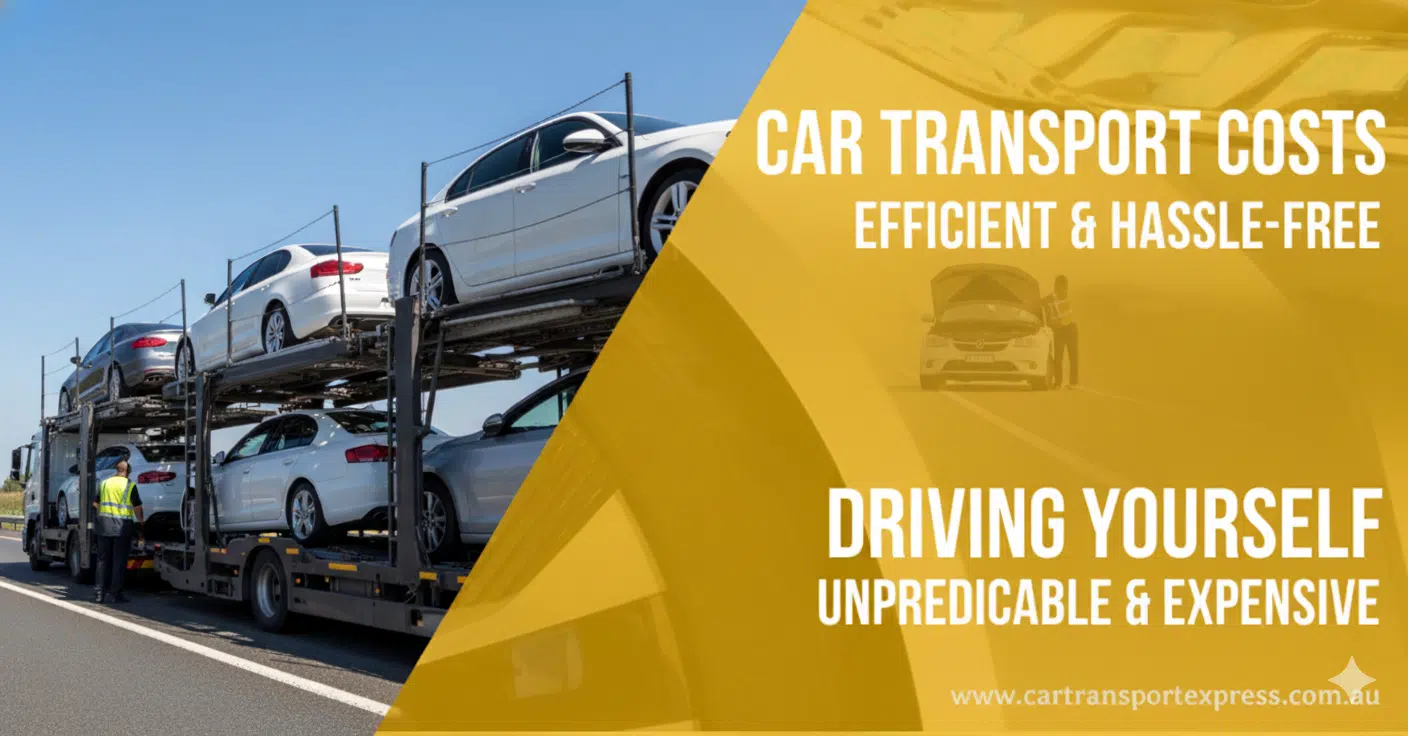
Car Transport Costs vs Driving Yourself: The Real Breakdown

November 11, 2025

4 min read

Key Takeaways

  • Driving long distances yourself often costs more when factoring in fuel, wear, time, and accommodation.
  • Professional car transport offers convenience, safety, and insurance coverage at a competitive price.
  • Using transport services prevents fatigue, breakdown risks, and vehicle depreciation.
  • Driving yourself may only make sense for short trips or leisure journeys.
  • Overall, car transport is the smarter and often cheaper option for long-distance relocations.

When it comes to relocating your vehicle across cities or states in Australia, one question inevitably arises: Should you drive it yourself or hire a professional car transport service? At first glance, driving seems like the budget-friendly option, after all, it’s “just fuel,” right? But once you dig deeper into the hidden costs, time, accommodation, wear and tear, and safety, the numbers tell a very different story.

Read more

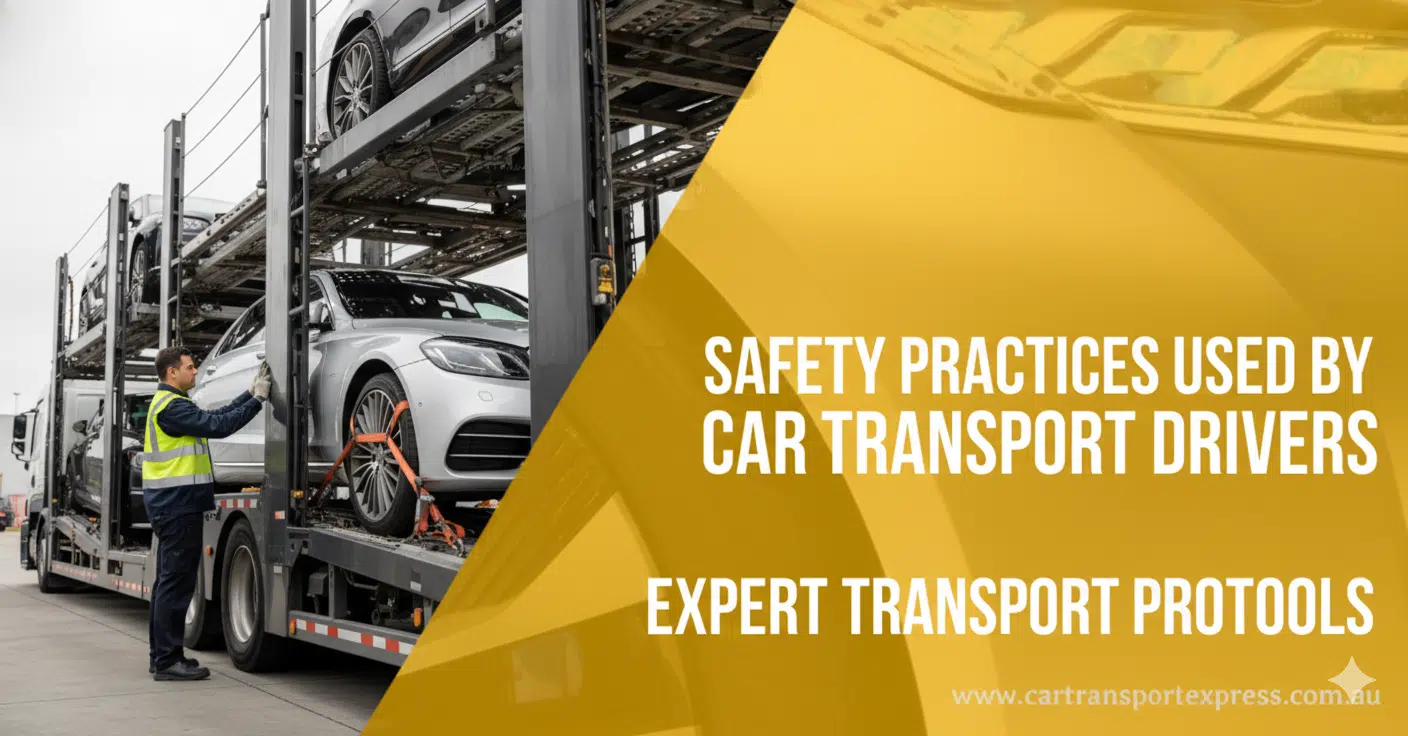
Top Safety Practices Used by Car Transport Drivers

October 10, 2025

5 min read

Key Takeaways:

  • Pre-trip inspections and compliance with NHVR standards are essential for safe transport.
  • Correct loading and weight distribution ensure stability and prevent accidents.
  • Fatigue management, rest breaks, and electronic work diaries support driver safety.
  • Defensive and predictive driving techniques reduce risks on long routes.
  • Continuous training, GPS tracking, and routine maintenance maintain professional safety standards.

Transporting vehicles across Australia is a specialised task that demands precision, skill, and responsibility. Whether moving a single car or a full load of vehicles, car transport drivers and their transport trucks follow strict safety practices to ensure every journey is completed safely and efficiently. Here’s an inside look at the top safety measures professional drivers use to protect vehicles, themselves, and other road users.

Read more

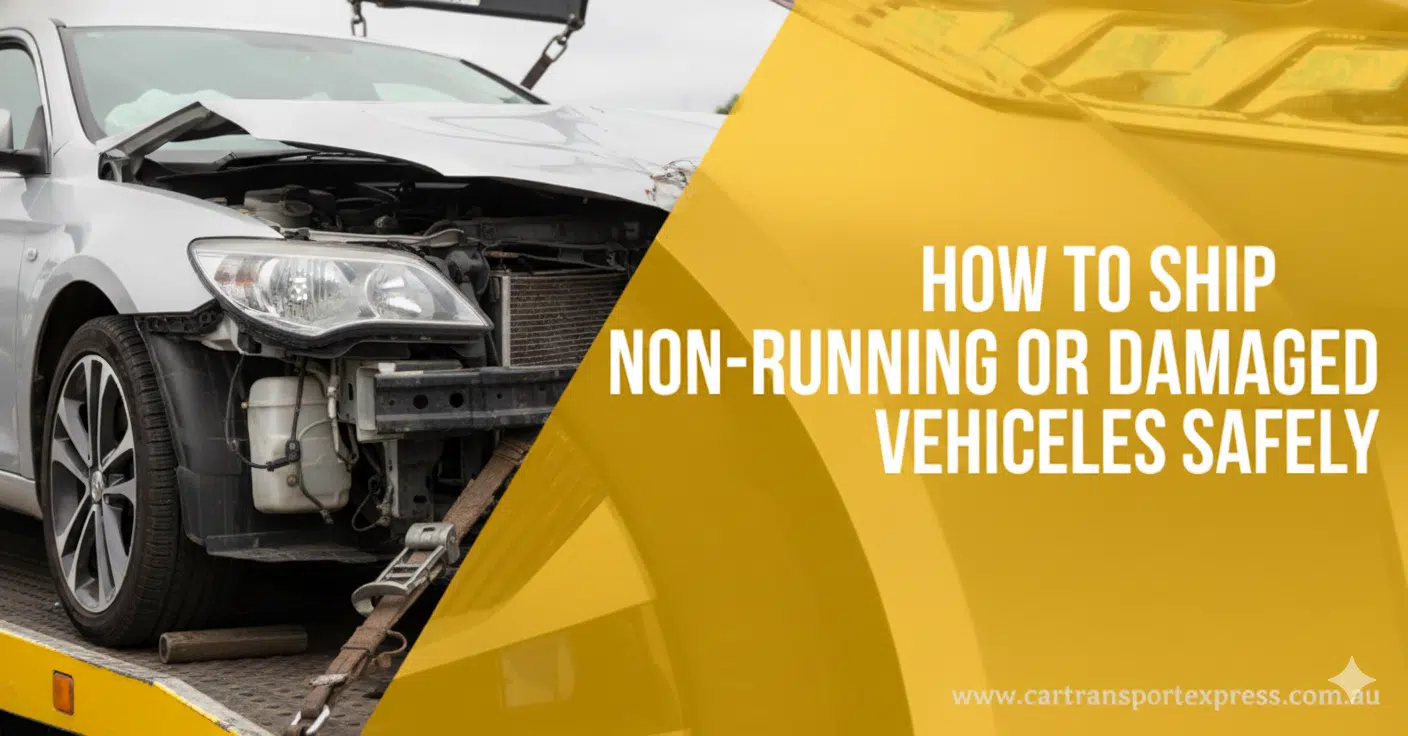
How to Ship Non-Running or Damaged Vehicles Safely

October 10, 2025

4 min read

Key Takeaways

  • Non-running or damaged vehicles need specialised equipment and experienced transporters.
  • Always disclose the car’s exact condition to avoid safety issues or delays.
  • Prepare the vehicle by removing personal items, securing loose parts, and ensuring accessibility.
  • Professional carriers use tilt trays, winches, and proper tie-down methods to load safely.
  • Accurate communication and planning prevent extra costs and damage during transport.

Moving a car that doesn’t start, has accident damage, or can’t be driven requires a different approach than standard vehicle transport. Non-running or damaged cars need special handling, equipment, and planning to ensure they’re moved safely without causing further harm. Whether you’re relocating, selling a project car, or moving a vehicle after an insurance claim, understanding how to properly ship a non-runner can save time, stress, and unnecessary costs.

Read more