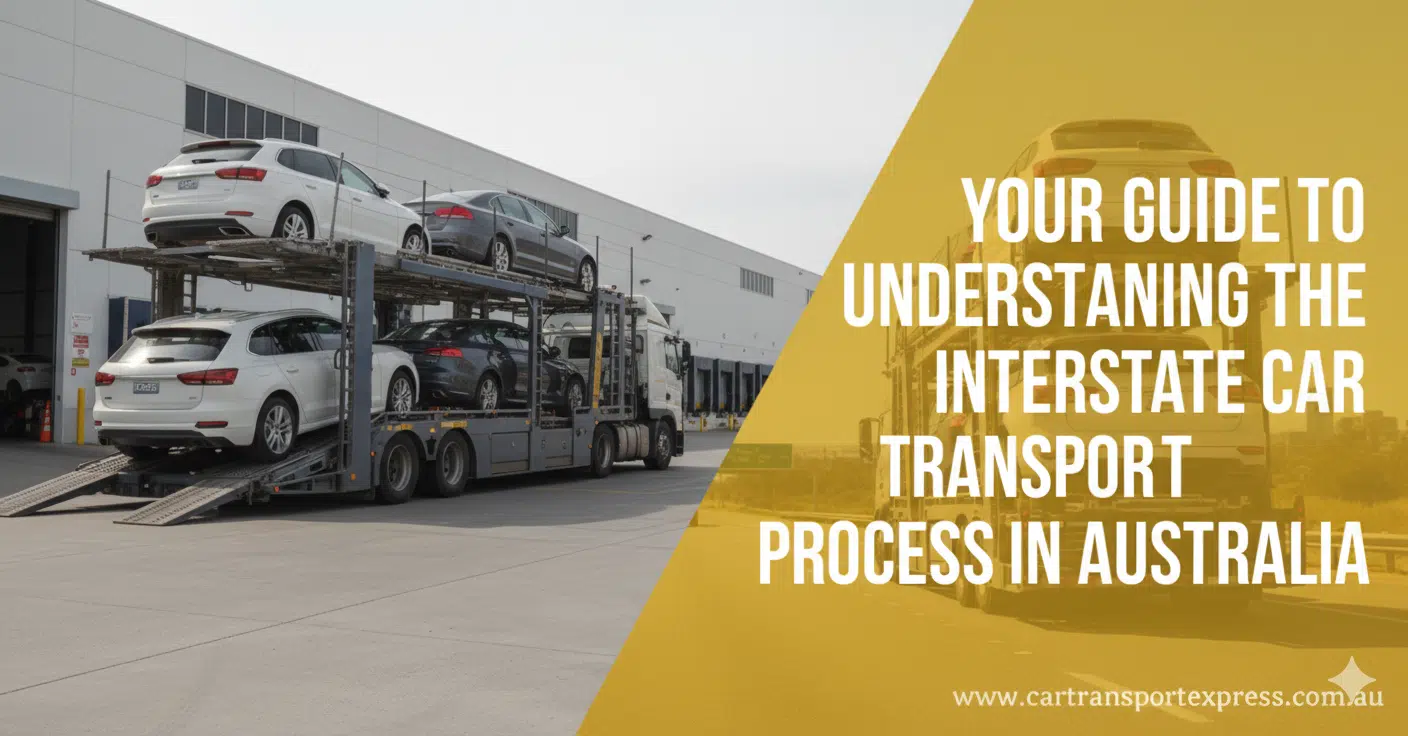


Your Guide to Understanding the Interstate Car Transport Process in Australia
4 min read
What is Interstate Car Transport?
Interstate car transport is the process of moving vehicles from one state or territory to another within Australia. It provides a safe, efficient, and convenient solution for individuals, dealerships, and businesses needing to relocate vehicles across long distances without driving them personally. Instead of putting thousands of kilometres on your car, you can entrust it to professional car transport companies who use purpose-built carriers, coastal shipping services, or a combination of road and rail networks to move vehicles across the country.
Why Choose Interstate Car Transport?
- Convenience and Time Savings: Avoid days of long-distance driving and let professionals handle the logistics while you focus on other priorities.
- Reduced Wear and Tear: Transporting your car prevents unnecessary mileage, tyre wear, and mechanical stress.
- Expertise and Safety: Professional transporters use modern trailers, strapping systems, and safety checks to ensure vehicles are delivered securely.
- Flexible Options: From open multi-car carriers to enclosed prestige transport, you can select a service that suits your budget and protection needs.
Why Fuel Prices Impact Car Transport Costs in Australia
3 min read
Key Takeaways
- Fuel is a core operating expense, Diesel makes up one of the biggest costs for car transporters, and even small price increases per litre significantly raise overall transport costs.
- Global and local factors drive fuel prices, Oil markets, exchange rates, taxes, and regional supply issues all contribute to fuel price volatility in Australia.
- Long distances amplify costs, Remote and interstate routes consume more fuel, making long-haul car transport more sensitive to fuel price changes.
- Fuel surcharges are common, Many carriers include surcharges or flexible pricing mechanisms to account for fluctuating diesel prices.
- Operators use strategies to cut fuel risk, From efficient route planning to backloading trips, transport companies aim to reduce fuel expenses where possible.
- Customers should compare quotes carefully, Always ask whether fuel is included, check for surcharge clauses, and be cautious of quotes that seem unusually low.
When you request an interstate car transport service, one of the biggest cost drivers is fuel. Understanding exactly why fluctuations in fuel prices affect vehicle shipping costs can help you anticipate quote changes and choose a transport provider wisely.
Below is a breakdown of how fuel affects the bottom line in car transport across Australia.
Read moreDo the Seasons Affect Car Transport Costs in Australia?

3 min read
Many Australians wonder if the time of year impacts the cost of transporting a vehicle interstate. While in some countries seasons can significantly influence pricing, in Australia the effect is minimal.
Instead, other factors like distance, vehicle type, transport method and route popularity are far more important. Still, knowing how seasonal demand works can help you plan ahead for smoother and potentially faster delivery.

Car Transport in Australia: Why a Broker Could Be Your Best Choice
3 min read
Key Takeaways
- Brokers offer flexibility and better coverage by working with a broad network of carriers, allowing them to secure quicker bookings, reach more remote areas, and adapt to tight deadlines or last-minute changes.
- One point of contact means less stress, brokers manage the logistics from start to finish, providing clearer communication, real-time updates, and reducing the legwork for customers.
- Competitive pricing without compromise, brokers often match or beat carrier prices by leveraging bulk bookings and industry relationships, helping customers save both time and money.