
Recent prices
Brisbane


4 min read
Key Takeaways
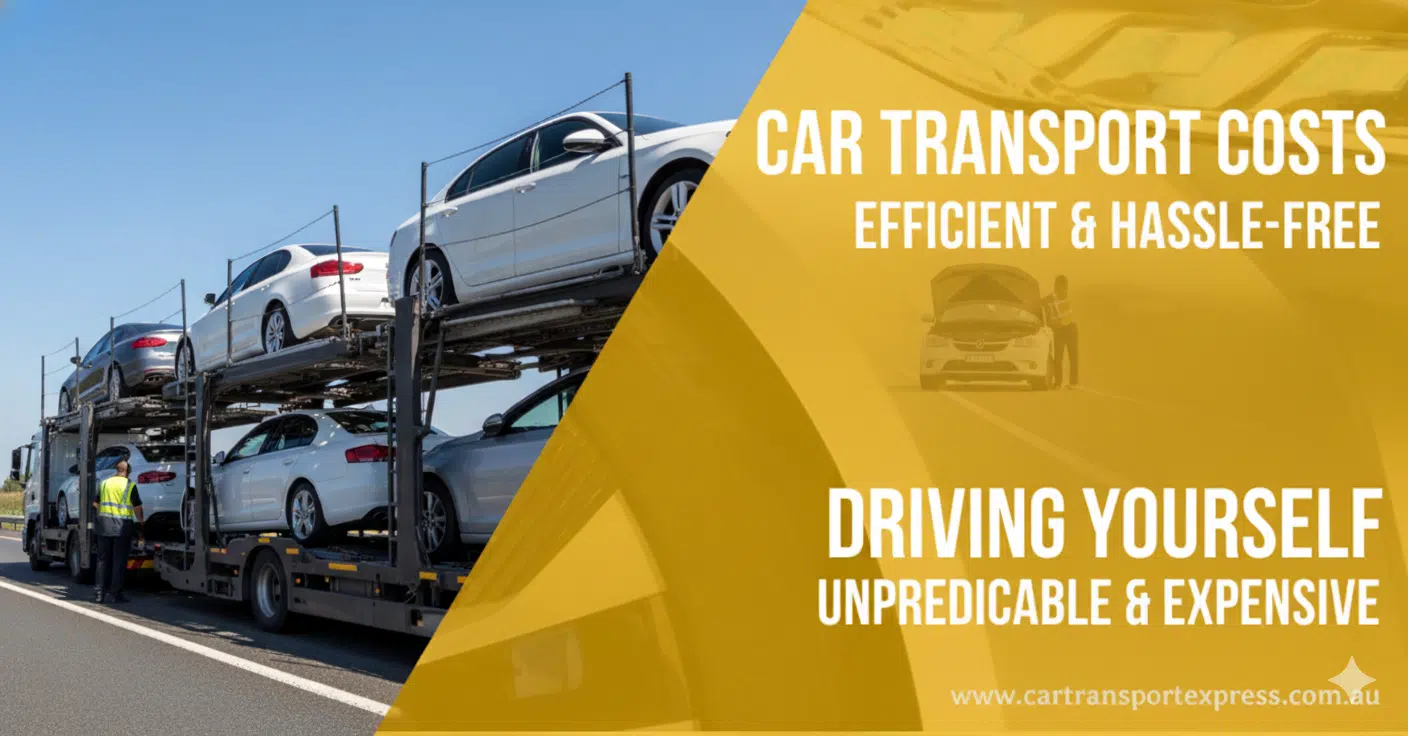
When it comes to relocating your vehicle across cities or states in Australia, one question inevitably arises: Should you drive it yourself or hire a professional car transport service? At first glance, driving seems like the budget-friendly option, after all, it’s “just fuel,” right? But once you dig deeper into the hidden costs, time, accommodation, wear and tear, and safety, the numbers tell a very different story.
Read more5 min read
Key Takeaways:
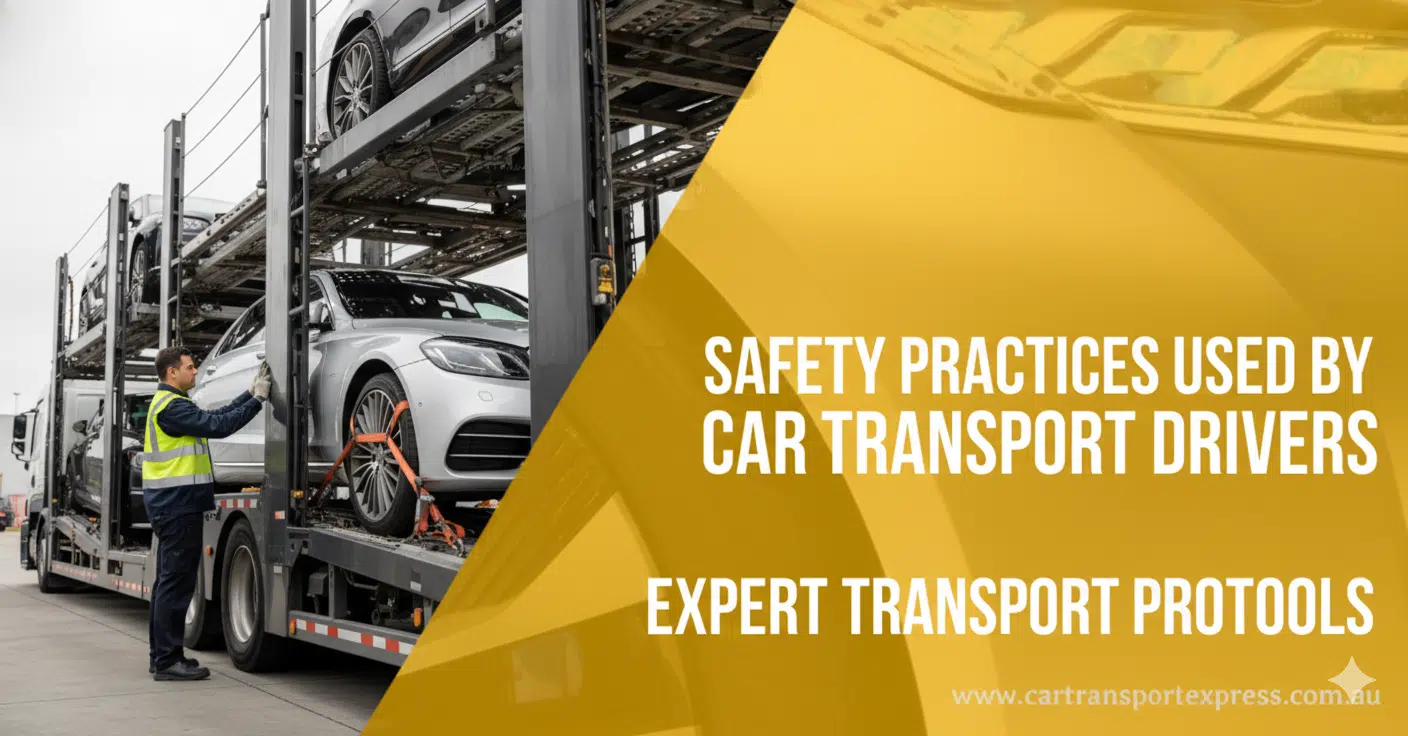
Transporting vehicles across Australia is a specialised task that demands precision, skill, and responsibility. Whether moving a single car or a full load of vehicles, car transport drivers and their transport trucks follow strict safety practices to ensure every journey is completed safely and efficiently. Here’s an inside look at the top safety measures professional drivers use to protect vehicles, themselves, and other road users.
Read more4 min read
Key Takeaways
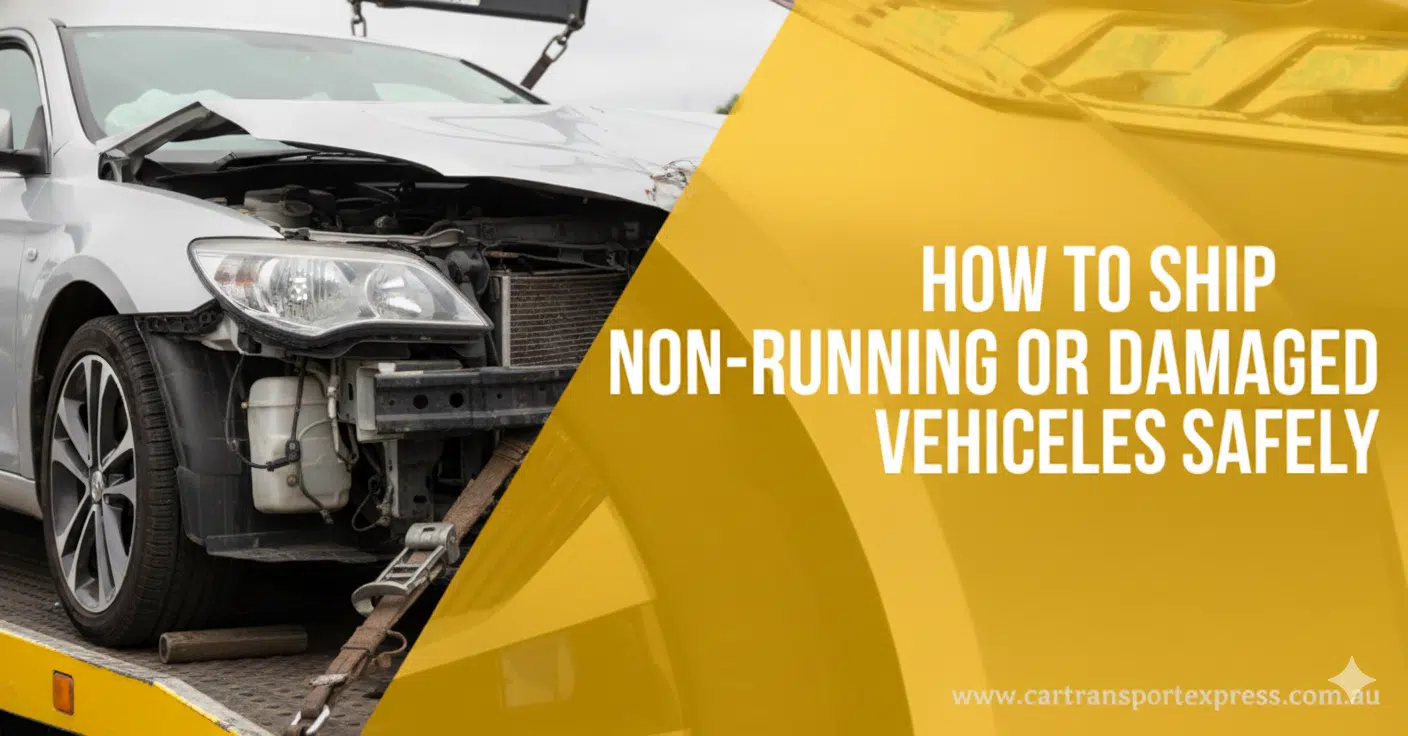
Moving a car that doesn’t start, has accident damage, or can’t be driven requires a different approach than standard vehicle transport. Non-running or damaged cars need special handling, equipment, and planning to ensure they’re moved safely without causing further harm. Whether you’re relocating, selling a project car, or moving a vehicle after an insurance claim, understanding how to properly ship a non-runner can save time, stress, and unnecessary costs.
Read more4 min read
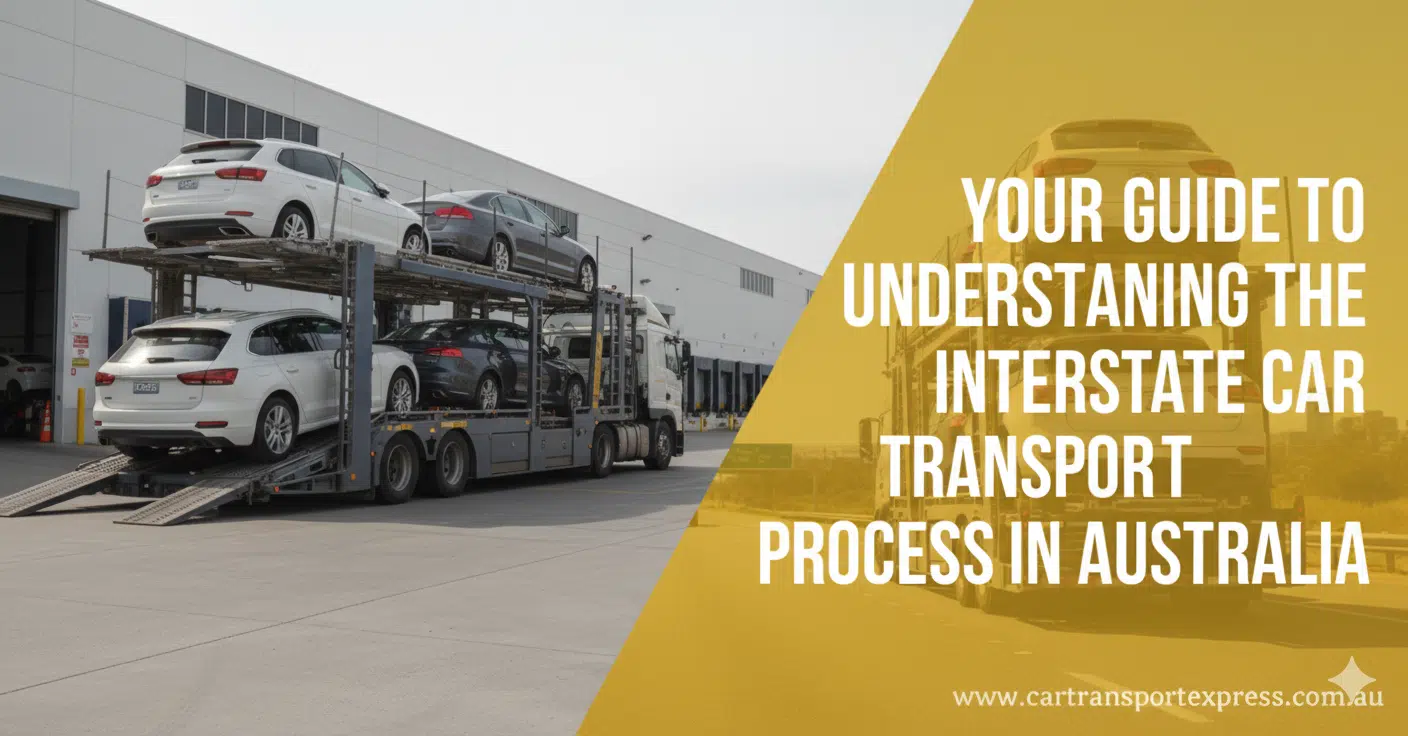
Interstate car transport is the process of moving vehicles from one state or territory to another within Australia. It provides a safe, efficient, and convenient solution for individuals, dealerships, and businesses needing to relocate vehicles across long distances without driving them personally. Instead of putting thousands of kilometres on your car, you can entrust it to professional car transport companies who use purpose-built carriers, coastal shipping services, or a combination of road and rail networks to move vehicles across the country.
3 min read
Key Takeaways
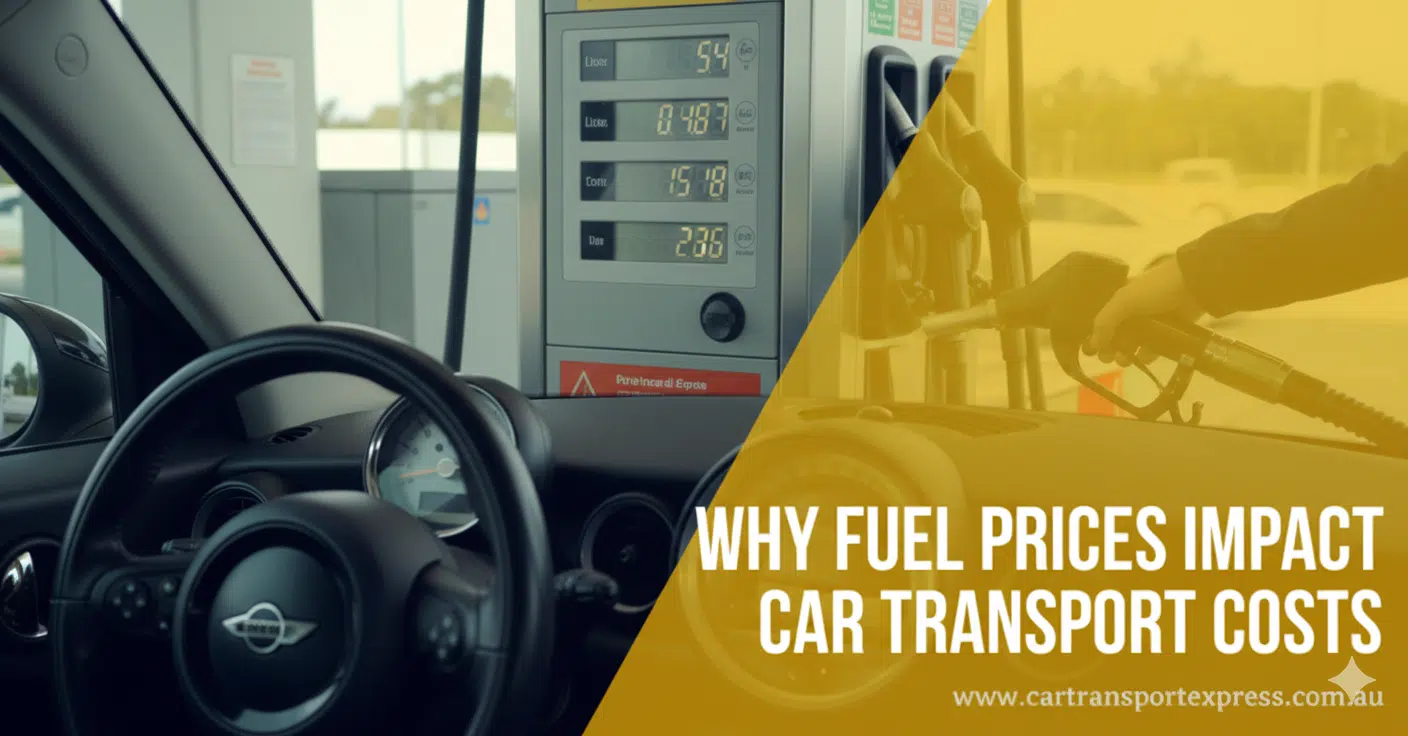
When you request an interstate car transport service, one of the biggest cost drivers is fuel. Understanding exactly why fluctuations in fuel prices affect vehicle shipping costs can help you anticipate quote changes and choose a transport provider wisely.
Below is a breakdown of how fuel affects the bottom line in car transport across Australia.
Read more